



5 minutes
A reflection from the Women in Leadership Breakfast at CUES Symposium
A sincere thank-you to the breakfast sponsors—Cornerstone Advisors, Origence, Velera, and Visa—whose continued support made space for connection, reflection, and leadership dialogue among women across the credit union movement.
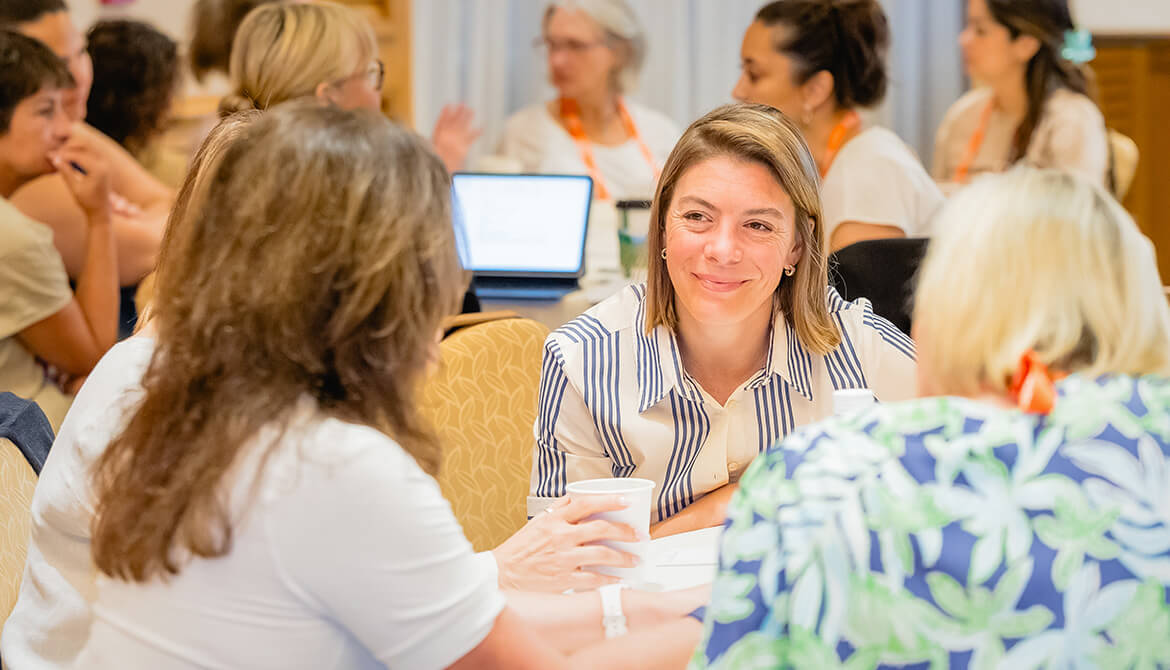
There’s something undeniably motivating about starting the day in a room full of women leaders before the rest of the conference energy takes over. The conversations are honest. The reflection runs a little deeper. And the questions tend to linger longer.
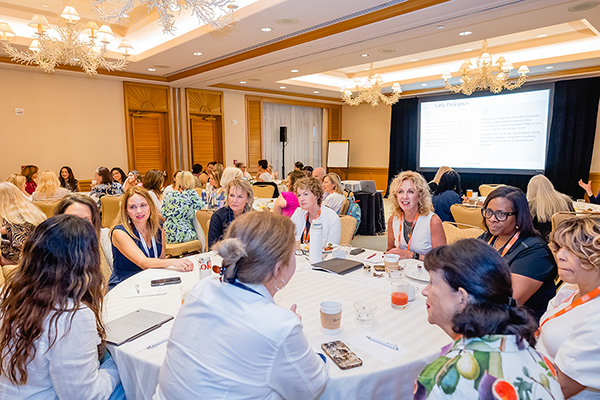
That was certainly true at this year’s Women in Leadership Breakfast during CUES Symposium. What began as a networking gathering three years ago has grown into something more meaningful—a space where leaders pause long enough to examine how they’re leading, not just what they’re doing. Leadership Development Instructor Vaishali Jadhav of Mandalight Learning graciously facilitated the conversation, guiding attendees through reflection and discussion on how leaders can better align their energy, priorities, and daily decisions with the impact they want to make.
The central focus of the morning was deceptively simple: leadership capacity isn’t just about managing time. It’s about managing energy.
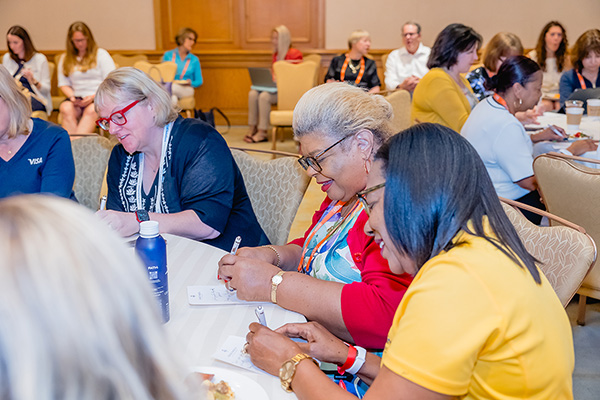
One exercise illustrated this in a way that immediately resonated across the room. Participants were asked to complete a simple task twice; once using their dominant hand and once using their non-dominant hand. The difference was obvious. The first attempt felt natural, efficient, and even a little enjoyable. The second was slower, more frustrating, and produced noticeably weaker results.
The point wasn’t about handwriting, though. It was about leadership.
Too often, leaders assume they should be able to handle everything placed in front of them. But as the exercise demonstrated, work that sits outside a leader’s natural strengths doesn’t just take longer—it can drain energy that could otherwise be directed toward high-impact decisions, relationships, and strategy.
“You can’t get more time in the day, but you can assess the level of energy you’re bringing to the work.” - Vaishali Jadhav, Leadership Development Instructor, Mandalight Learning
That idea connects directly to one of the core leadership skills emphasized across CUES programs—the importance of self-awareness. Leaders who understand where they create the most value are better equipped to make intentional decisions about where to focus their time and how to leverage their teams.
Throughout the morning, that awareness translated into practical reflection. Participants considered what truly requires their attention, what could be delegated to others with stronger alignment, and where they might be holding themselves to unnecessary standards of perfection.
In many ways, the conversation reflected another skill often discussed in governance and executive education settings: decision-making in complex situations. Leaders aren’t just deciding what to do; they’re deciding where their presence, expertise, and energy will make the greatest difference.
For many, the discussion surfaced a deeper realization: much of the pressure leaders experience is self-imposed. Deadlines get set internally. Expectations escalate quietly. “A-level” effort becomes the default, even when the situation doesn’t require it.
One attendee shared how intentionally scheduling time for lunch—and protecting it—had changed how she ended her days. Another spoke about revisiting internal deadlines and asking a simple but powerful question: Does this really need to happen now?
These weren’t sweeping organizational transformations. They were small shifts in behavior. But they pointed to something bigger—the understanding that sustainable leadership often comes from adjusting the small decisions that shape each day.
“Does your calendar reflect the impact you want to make?” - Vaishali Jadhav
That question resonates beyond personal productivity. It speaks to strategic thinking. If leaders’ calendars are consumed entirely by urgency, they have little capacity left for vision, talent development, or innovation. When leaders intentionally align their time with their priorities, they create space for the kind of forward-looking leadership that organizations need most.
Perhaps the most valuable takeaway wasn’t any single tactic, but the reminder that leadership growth doesn’t happen in isolation. Many participants left the breakfast having met new peers, gained fresh perspective, or simply realized they weren’t alone in navigating these challenges.
That sense of shared learning mirrors what participants often describe after immersive CUES experiences—whether through structured programs, peer cohorts, or informal conversations at events. Leadership development doesn’t happen only in classrooms or workshops. It happens in moments of reflection, in honest dialogue, and in the willingness to rethink how we lead.
That spirit of shared leadership showed up not just in conversation, but in the voices of women leaders themselves. During Symposium, we invited attendees to complete a simple phrase: Lead the Way by…
Their responses—brief, personal, and deeply intentional—capture the many ways leadership is practiced across the credit union movement.
And that may be the true value of gatherings like this. Not just inspiration in the moment, but permission to return to our organizations and lead with greater clarity about where our energy belongs—and where it doesn’t.
Because leadership isn’t defined by how much we carry. It’s defined by how intentionally we choose what to carry forward.
Jessica Hrubes, SVP/Relationship Management, CUES
