



5 minutes
As we move through the month of March, the Defense Credit Union Council (DCUC) is focused on leadership initiatives aimed at supporting credit unions of all sizes, especially smaller institutions that serve local communities and military families. Our goal is to ensure these credit unions remain included in policy conversations and protected from regulatory burdens that can disproportionately affect them.
Small credit unions often face compliance challenges tied to federal requirements, including Bank Secrecy Act (BSA) reform, Home Mortgage Disclosure Act (HMDA) data collection, and other complex regulations. These obligations, while important, can be difficult for smaller credit unions to manage without diverting resources away from member service.
In a recent conversation with Heather McKissick, CEO, CUES, she highlighted the important role small credit unions serve on Main Street, advocating daily for their communities in ways that larger institutions simply cannot. During our discussion, she reminded that “credit unions are really the ones who are advocating on a daily basis for their communities and their members in ways, like no other institutions are. So, I'm happy to hear that you're putting that on the forefront of some of that agenda.” I echoed that sentiment: DCUC is committed to keeping these institutions’ challenges at the forefront of our agenda.
One key area of focus this month is field-of-membership policy. Expanding the communities credit unions can serve is critical for growth and outreach. If you allow credit unions to expand into areas where it makes sense, that’s another way of increasing membership and serving more communities. While these discussions often start at the federal credit union level, our ultimate goal is policies that benefit credit unions across the system.
We are also closely monitoring the Community Development Financial Institutions (CDFI) Fund, which provides essential support to credit unions serving underserved communities. While the program has strong bipartisan backing, its future still depends on Congressional action. Three of the four corners, Senate Banking and House Financial Services leadership, wanted it. Unfortunately, the chairman of the House Financial Services Committee objected.
Despite these challenges, DCUC remains committed to advocating for policies that allow credit unions to continue fulfilling their mission. Heather and I agreed that our work as a credit union movement must focus on what is in the best interest of credit unions of all sizes and their members.
March presents an opportunity to reinforce the critical role of credit unions, particularly smaller institutions, in providing accessible financial services to communities nationwide. By advocating for regulatory relief, expanded membership opportunities, and continued support for programs like the CDFI Fund, we aim to ensure credit unions remain strong, community-focused, and equipped to serve military families and beyond.
Our mission is clear: protect the ability of credit unions to serve their members effectively while strengthening the communities that rely on them.
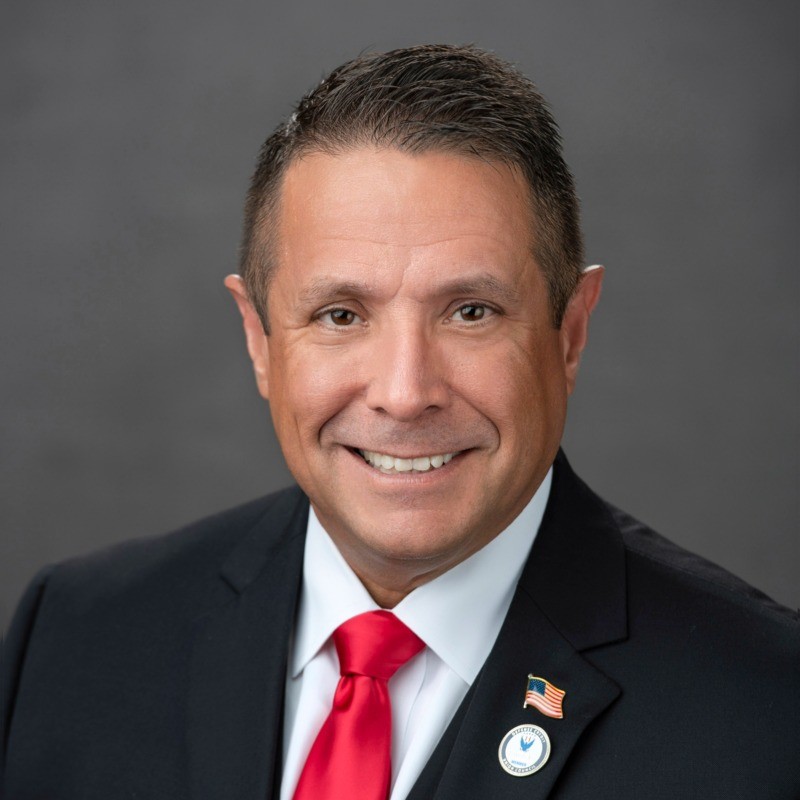
Anthony Hernandez, Defense Credit Union Council (DCUC) President and CEO, leads the nation’s only trade association exclusively representing credit unions serving military and veteran communities worldwide, encompassing more than 40 million members. He joined DCUC as Chief Operating Officer in August 2016 and was appointed CEO in April 2017. In his role, Hernandez oversees DCUC’s operations and strategic growth and works closely with the Department of Defense on issues impacting credit unions and the financial well-being of servicemembers, veterans, and their families. His leadership has included rebranding DCUC as an independent trade association, establishing a Military Advocacy Committee, expanding financial education initiatives, advancing legislative and regulatory advocacy, increasing revenue, and spearheading DCUC's strategic plans.
Prior to DCUC, Hernandez served 25 years in the U.S. Air Force, retiring as a Colonel after holding senior command and financial leadership roles. He served as Chief Financial Officer for Air Mobility Command, managing a $20 billion annual budget and reducing operating expenses by more than $900 million annually, and held multiple command and Pentagon assignments, including Executive Officer to the Commander of Air Combat Command. Hernandez holds a Bachelor of Business Administration from New Mexico State University and master’s degrees in organizational management, military operational art and science, and strategic studies.
